Antiques are valuable items that give us insight into the past. Since antiques possess such a unique story, it’s important that they stay preserved in as close to pristine condition as possible. Many such items include instruments, paintings, vinyl, award medals, and electronics. In the past, many trinkets and furniture pieces were made entirely from …
To provide the best experiences, we use technologies like cookies to store and/or access device information. Consenting to these technologies will allow us to process data such as browsing behavior or unique IDs on this site. Not consenting or withdrawing consent, may adversely affect certain features and functions.
FunctionalAlways active
The technical storage or access is strictly necessary for the legitimate purpose of enabling the use of a specific service explicitly requested by the subscriber or user, or for the sole purpose of carrying out the transmission of a communication over an electronic communications network.
Preferences
The technical storage or access is necessary for the legitimate purpose of storing preferences that are not requested by the subscriber or user.
Statistics
The technical storage or access that is used exclusively for statistical purposes.The technical storage or access that is used exclusively for anonymous statistical purposes. Without a subpoena, voluntary compliance on the part of your Internet Service Provider, or additional records from a third party, information stored or retrieved for this purpose alone cannot usually be used to identify you.
Marketing
The technical storage or access is required to create user profiles to send advertising, or to track the user on a website or across several websites for similar marketing purposes.
Climate control is crucial for preserving antiques, as fluctuations in temperature and humidity can lead to irreversible damage. Items such as wooden furniture, textiles, and paintings are particularly susceptible to mold, warping, and fading when not stored in optimal conditions.
For instance, a consistent humidity level between 40% and 60% is recommended for most antiques. Utilizing specialized equipment like dehumidifiers and air conditioners can help maintain these levels, ensuring that valuable items retain their integrity and aesthetic appeal over time.
Recommended Equipment for Antique Preservation
When it comes to preserving antiques, selecting the right equipment is essential. Rental options such as dehumidifiers, air scrubbers, and climate-controlled storage units can provide effective solutions for maintaining ideal conditions.
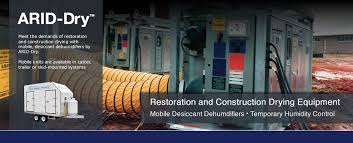
For example, a desiccant dehumidifier is particularly effective in spaces where traditional units may struggle, as it can operate efficiently even in lower temperatures. Renting these specialized tools allows collectors and enthusiasts to safeguard their treasures without a long-term investment in equipment.
Best Practices for Antique Care
Implementing best practices for antique care can significantly prolong the life of valuable items. Regular cleaning, appropriate storage, and careful handling are fundamental to preserving their quality.
For instance, using acid-free materials for storage and avoiding direct sunlight can prevent discoloration and degradation. Additionally, routine inspections can help identify potential issues before they escalate, ensuring that antiques remain in pristine condition for future generations.
Common Mistakes in Antique Preservation
Many collectors make common mistakes that can jeopardize the integrity of their antiques. Neglecting climate control, using improper cleaning methods, and failing to protect items from pests can lead to damage that is often irreversible.
For example, using harsh chemicals or abrasive materials during cleaning can scratch surfaces or cause discoloration. Educating oneself on proper preservation techniques and utilizing rental equipment specifically designed for antiques can mitigate these risks and enhance the longevity of treasured items.
Importance of Climate Control for Antiques
Climate control is crucial for preserving antiques, as fluctuations in temperature and humidity can lead to irreversible damage. Items such as wooden furniture, textiles, and paintings are particularly susceptible to mold, warping, and fading when not stored in optimal conditions.
For instance, a consistent humidity level between 40% and 60% is recommended for most antiques. Utilizing specialized equipment like dehumidifiers and air conditioners can help maintain these levels, ensuring that valuable items retain their integrity and aesthetic appeal over time.
Recommended Equipment for Antique Preservation
When it comes to preserving antiques, selecting the right equipment is essential. Rental options such as dehumidifiers, air scrubbers, and climate-controlled storage units can provide effective solutions for maintaining ideal conditions.
For example, a desiccant dehumidifier is particularly effective in spaces where traditional units may struggle, as it can operate efficiently even in lower temperatures. Renting these specialized tools allows collectors and enthusiasts to safeguard their treasures without a long-term investment in equipment.
Best Practices for Antique Care
Implementing best practices for antique care can significantly prolong the life of valuable items. Regular cleaning, appropriate storage, and careful handling are fundamental to preserving their quality.
For instance, using acid-free materials for storage and avoiding direct sunlight can prevent discoloration and degradation. Additionally, routine inspections can help identify potential issues before they escalate, ensuring that antiques remain in pristine condition for future generations.
Common Mistakes in Antique Preservation
Many collectors make common mistakes that can jeopardize the integrity of their antiques. Neglecting climate control, using improper cleaning methods, and failing to protect items from pests can lead to damage that is often irreversible.
For example, using harsh chemicals or abrasive materials during cleaning can scratch surfaces or cause discoloration. Educating oneself on proper preservation techniques and utilizing rental equipment specifically designed for antiques can mitigate these risks and enhance the longevity of treasured items.