Allied Rental Company LLC.
(415) 644-5792
Contact
Equipment
Blog
Dehumidification Applications
Dehumidification for Construction & Restoration
Dehumidification for Agriculture
Dehumidification for Food Storage and Processing
Gypcrete drying
Dehumidification for Painting & Coatings
Diesel Generator Sizes and Specifications
Case Studies
Case Study: PABCO Gypsum
(415) 644-5792
Login
MY CART
0
Fuel Delivery
Heaters
Water Extraction
Dehumidification
What size Dehumidifier do I need for my project ?
Desiccant Dehumidifers
Compare Generator Sizes
Generator Sizing Calculator
AMP CHART
Air Filtration
Dry Ice Blaster
Dry Ice Pellets
Cooling
Rental Store
Batteries
Matterport – Virtual Tour Creation-Virtual takeoff services
×
×
Compaction
Diesel Generators for Rent
Diesel Generators for sale
dry ice
Forklifts
freeze dryers
Sound Barriers
standby home generators
Standyby Commercial Generators
Steam Pressure Washer
Temp Heat
1 Ton Air Conditioner
air movers
air scrubber
cleaning tools
Commercial Drying Equipment
Dehumidification
deodorization
Desiccant Dehumidifier
ditch witch fx 60
dry ice blaster
HEPA Filter
hydroxyle deoderizer
Hepa Air Scrubber rentals
ozone generator
party tents
Temorary Heaters
Temporary Air Conditioners
Diesel Generators
vacum Excavation
Water Extraction Tools
water extractor
water-damage-restoration-equipment
Uncategorized
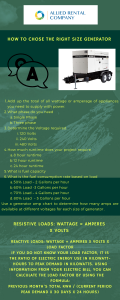
How to choose the right size generator
Post navigation
Previous
Previous post:
What is the difference between Kva and Kw measurements of generators?
Next
Next post:
How to find the right Size Generator for Your project

 Login
Login MY CART