Understanding Generator Specifications
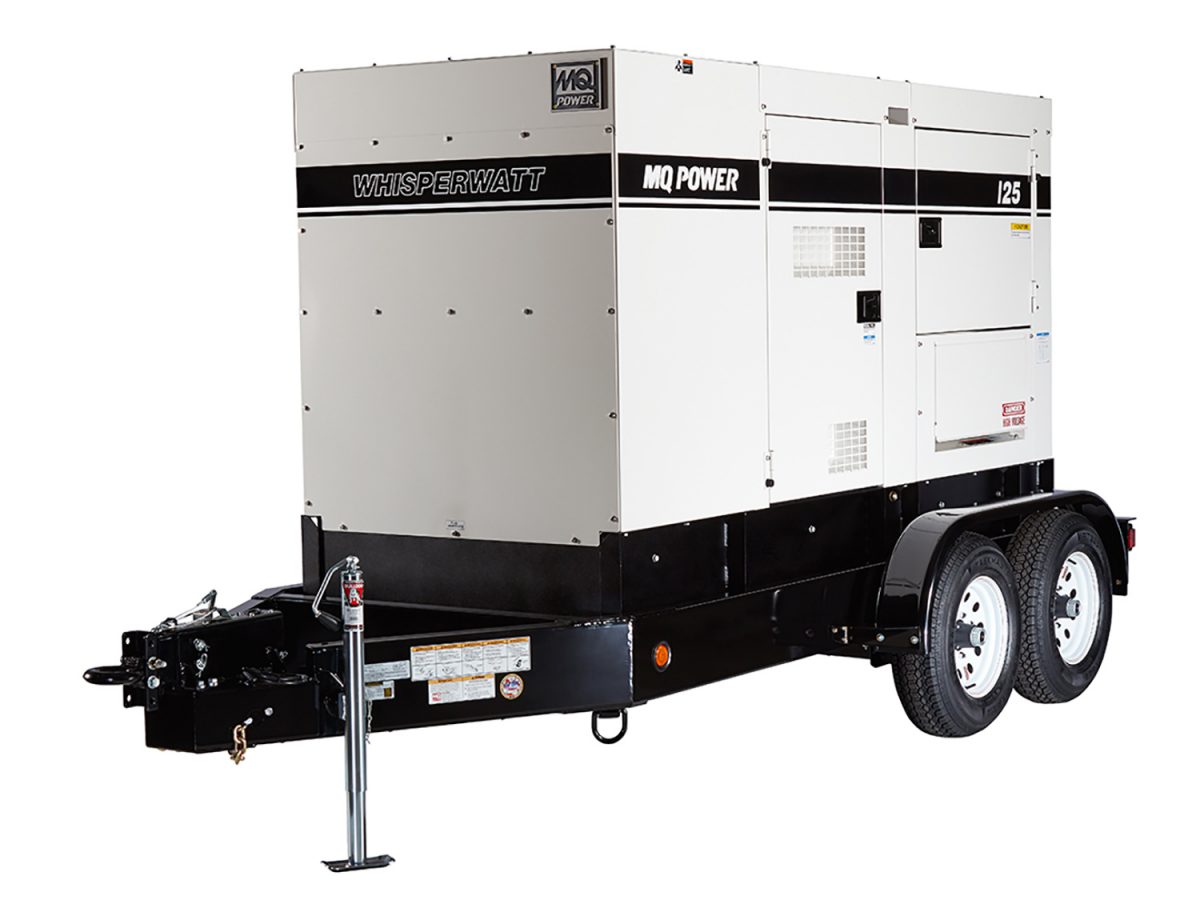
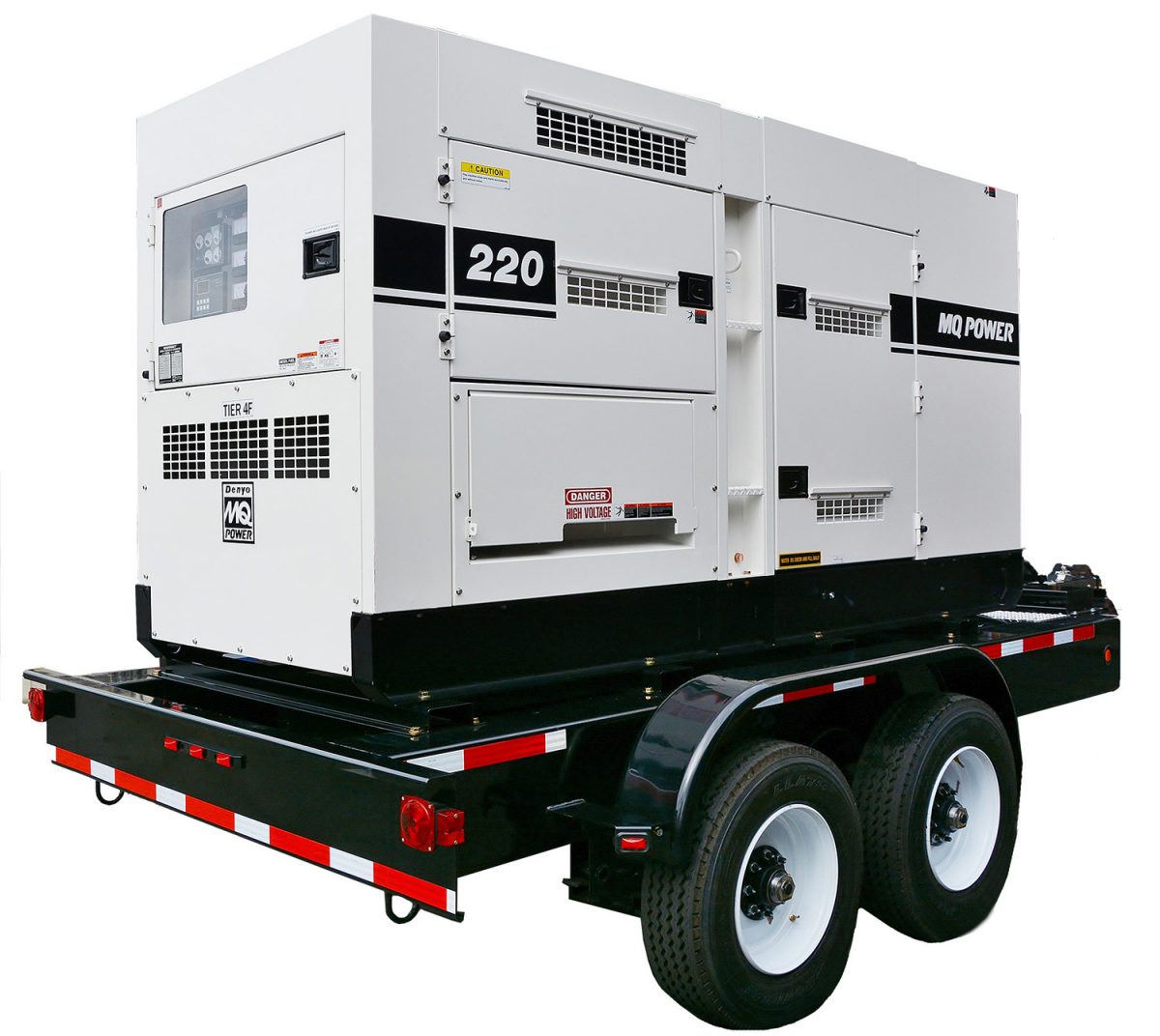
Generator specifications can significantly influence your choice when renting or purchasing equipment. Key metrics such as power output, fuel type, and runtime are essential to ensure the generator meets your specific needs.
For example, a generator's power output is typically measured in kilowatts (kW) or kilovolt-amperes (kVA). Knowing the difference between these measurements helps you select a generator that can handle the electrical load of your appliances, ensuring reliable performance during outages or events.
Benefits of Renting vs. Buying Equipment
Deciding whether to rent or buy equipment can be a crucial consideration for businesses and individuals alike. Renting offers flexibility and cost savings, especially for short-term projects or infrequent use.
For instance, if you need a generator for a one-time event, renting can eliminate the high upfront costs and maintenance responsibilities associated with ownership. Conversely, purchasing may be more economical for long-term needs, especially if you frequently require the equipment.
Safety Considerations When Using Generators
Safety is paramount when operating generators, as improper use can lead to serious hazards, including carbon monoxide poisoning and electrical fires. Understanding safety protocols can help mitigate these risks.
Always ensure that generators are placed in well-ventilated areas and never used indoors. Additionally, using heavy-duty extension cords rated for outdoor use can prevent electrical hazards, ensuring a safe and efficient operation during power outages or construction projects.
Choosing the Right Equipment for Your Project
Selecting the right equipment for your specific project needs is essential for efficiency and effectiveness. Factors such as project size, location, and duration play a significant role in determining the appropriate equipment.
For example, a small outdoor event may only require a portable generator, while a large construction site might necessitate multiple heavy-duty units. Assessing your project's requirements thoroughly can lead to better equipment choices, minimizing downtime and maximizing productivity.