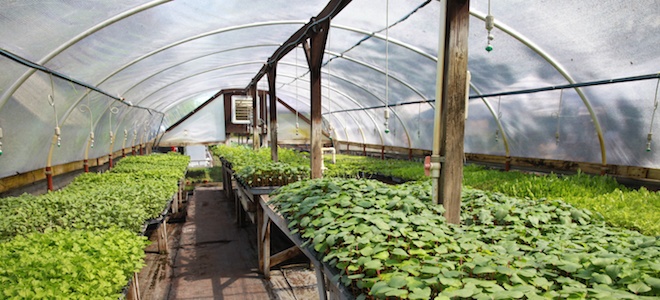
Importance of Climate Control for Cannabis Cultivation
Effective climate control is crucial for optimizing cannabis growth and ensuring high-quality yields. Cannabis plants thrive in specific temperature and humidity ranges, which can significantly affect their growth cycles and overall health.
For instance, maintaining humidity levels between 40% to 60% during the flowering stage helps prevent mold and mildew, while temperatures ideally between 70°F to 85°F promote healthy photosynthesis. Utilizing specialized equipment like dehumidifiers and temperature control systems can help cultivators achieve these conditions.
Recommended Equipment for Cannabis Climate Control
To successfully manage the climate in cannabis cultivation, a variety of equipment is essential. This includes dehumidifiers, air conditioners, heaters, and ventilation systems that work together to create the optimal environment for plant growth.
For example, a desiccant dehumidifier can effectively lower humidity levels without cooling the air, which is beneficial during the flowering phase. Similarly, portable air conditioners can be used to maintain temperature during hot weather, ensuring that the plants do not suffer from heat stress.
Challenges in Cannabis Climate Management
Managing the climate for cannabis cultivation presents several challenges, including fluctuations in external weather conditions and the need for consistent monitoring. Growers must be prepared to adapt their strategies to maintain the ideal environment for their plants.
For example, sudden drops in temperature at night can stress plants, leading to reduced yields. Implementing automated climate control systems can help mitigate these issues by providing real-time data and adjustments to maintain stability in the growing environment.
Benefits of Professional Climate Control Solutions
Investing in professional climate control solutions can greatly enhance the efficiency and productivity of cannabis cultivation. These systems are designed to meet the specific needs of cannabis growers, ensuring optimal conditions for plant health.
Additionally, professional solutions often come with advanced features such as remote monitoring and automated adjustments, allowing growers to focus on other aspects of their operations while ensuring that their plants remain in ideal conditions. This can lead to higher quality products and increased profitability in the long run.